
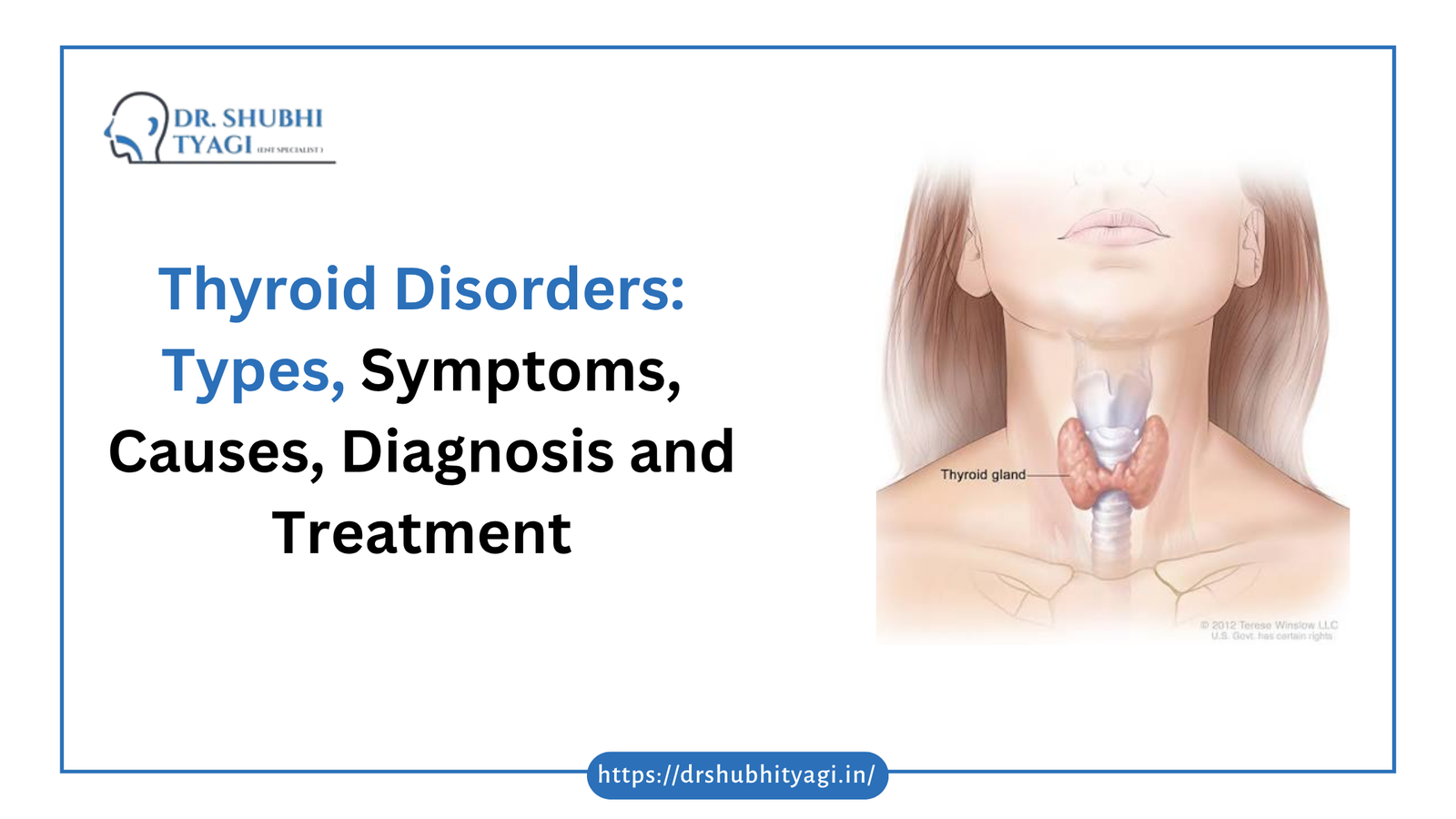
Metabolism, energy levels, body temperature, heart rate, and digestion can all be impacted by thyroid disorders. Hormones produced by the thyroid gland aid in controlling a number of vital bodily processes. Physical and psychological changes may occur when the gland generates too much or too little hormone. People can identify potential warning signals, seek medical assistance, and learn about appropriate diagnostic tests and treatment choices by having a thorough understanding of thyroid disorders.
Thyroid Disorders: A Comprehensive Guide to Conditions, Symptoms and Treatment
The thyroid gland, common thyroid disorders, their symptoms, causes, diagnosis, available treatments, and preventive measures are all covered in this book. It also clarifies when a professional medical evaluation could be required. While some thyroid disorders can be treated with medicine and routine monitoring, others may need surgery, additional testing, or specialised treatment.
What Is the Thyroid Gland?
The thyroid is a tiny, butterfly-shaped endocrine gland situated directly behind the Adam’s apple on the front of the neck. Despite its diminutive size, it is crucial for controlling heart rate, body temperature, energy consumption, and metabolismand Thyroid Disorders.
Thyroxine (T4) and triiodothyronine (T3) are the two main hormones produced by the thyroid gland. The pituitary gland in the brain produces thyroid-stimulating hormone (TSH), which aids in controlling the production of thyroid hormone. The pituitary gland modifies TSH production in response to changes in hormone levels.
Thyroid disorders may arise when this regulating mechanism malfunctions. Without a medical evaluation and the necessary testing, symptoms may develop gradually, making it challenging to identify the underlying issue.
For persistent neck swelling, voice changes, or throat discomfort, consult Dr. Shubhi Tyagi for an expert ENT evaluation at Radiant Health Care, Greater Noida. Book your consultation today for appropriate guidance and care.
What Are Thyroid Disorders?
Medical problems that impact the thyroid gland’s structure or function are known as thyroid disorders. While certain circumstances result in excessive hormone production, others produce insufficient production. Inflammation, enlargement, or nodules can result from certain illnesses that impact the anatomy of the gland.
- Typical thyroid conditions include:
- Hypothyroidism is an inadequate hormone production by the thyroid gland.
- Overproduction of hormones by the thyroid gland is known as hyperthyroidism.
- An underactive thyroid can result from an autoimmune disease called Hashimoto’s thyroiditis.
- An autoimmune disorder called Graves’ disease frequently results in an overactive thyroid.
- Thyroid gland inflammation.
- Thyroid gland enlargement is known as a goitre.
- Thyroid nodules are growths or lumps inside the thyroid.
- Cancer that arises in thyroid tissue is known as thyroid cancer.
Each of these illnesses has different causes, symptoms, and treatment needs. While some thyroid disorders are transient, others call for ongoing medication or observation. Because different thyroid disorders can have similar symptoms but require distinct treatments, an accurate diagnosis is crucial.
Main Types of Thyroid Disorders
People can distinguish between an underactive thyroid, an overactive thyroid, inflammatory diseases, and structural alterations by being aware of the main forms of thyroid disorders.
1. Hypothyroidism: Underactive Thyroid
When the thyroid gland is unable to produce enough hormones to meet the body’s needs, hypothyroidism develops. This can impede a number of physiological functions, such as digestion and metabolism.
- Typical signs and symptoms include:
- persistent fatigue or lack vitality.
- weight growth that is not explained.
- heightened cold sensitivity.
- fragile hair and dry skin.
- Constipation.
- inability to focus or retain knowledge.
- depressed.
- irregular or heavy menstrual cycles.
Hypothyroidism is frequently caused by Hashimoto’s thyroiditis. Thyroid surgery, certain drugs, radiation therapy, and iodine shortage in vulnerable groups are additional causes.
TSH and free T4 blood tests are frequently used by physicians to assess probable hypothyroidism. To replace the hormone that the body is unable to manufacture in adequate amounts, levothyroxine may be administered. If the dose has to be adjusted, follow-up blood tests can help.
2. Hyperthyroidism: Overactive Thyroid
When the thyroid gland generates more hormones than the body requires, hyperthyroidism results. Thyroid hormone overproduction can speed up a number of body functions.
- Among the potential symptoms are:
- inadvertent weight loss in spite of a healthy or increased hunger.
- fast or erratic heartbeat.
- uneasiness, agitation, or anxiety.
- excessive perspiration and intolerance to heat.
- Handshakes.
- weakened muscles.
- frequent bowel motions.
- having trouble falling asleep.
- alterations in menstruation.
Hyperthyroidism is frequently caused by Graves’ illness. Certain forms of thyroid inflammation and hyperactive thyroid nodules are additional causes.
Depending on the underlying cause, treatment options include radioactive iodine therapy, antithyroid medication, or surgery. While the underlying problem is being treated, beta-blockers may be administered to control symptoms like tremors and a fast heartbeat.
Experiencing symptoms of hyperthyroidism? Consult Dr. Shubhi Tyagi at Radiant Health Care, Greater Noida, for an ENT evaluation of related neck or throat concerns and guidance on the appropriate specialist care.
3. Hashimoto’s Thyroiditis
An autoimmune disease called Hashimoto’s thyroiditis occurs when the thyroid gland is attacked by the immune system. Inflammation can eventually lower the gland’s capacity to generate enough thyroid hormones.
In the early stages, some patients have very few symptoms. As hormone production declines, others may experience weariness, constipation, dry skin, cold intolerance, or changes in weight.
When assessing a patient who may have Hashimoto’s disease, doctors may measure TSH, free T4, and thyroid antibodies. Thyroid function determines the course of treatment. While people with normal hormone levels might merely need monitoring, those who develop hypothyroidism might require long-term hormone replacement.
4. Graves’ Disease
An autoimmune disorder called Graves’ disease causes the thyroid gland to overproduce hormones. It is a major contributor to hyperthyroidism.
Some persons experience eye issues, such as inflammation, oedema, light sensitivity, or bulging eyes, in addition to the usual signs of an overactive thyroid. Eye symptoms are not present in all cases of Graves’ illness.
Treatment options may include radioactive iodine, antithyroid drugs, or surgery, depending on the patient’s condition. Eye symptoms may demand a different course of treatment and require a proper medical evaluation.
5. Thyroiditis
Inflammation of the thyroid gland is referred to as thyroiditis. Autoimmune activity, certain infections, drug reactions, or changes related to pregnancy and childbirth can all cause it.
Hyperthyroidism symptoms are brought on by some types of thyroiditis, which momentarily release stored thyroid hormones into the bloodstream. Later, a drop in hormone levels could result in hypothyroidism symptoms.
While some can result in long-term thyroid dysfunction, others improve on their own. Depending on the underlying cause, treatment options may include thyroid hormone replacement, frequent monitoring, or symptom management.
6. Goiter
An growth of the thyroid gland is called a goitre. Thyroid hormone levels can be normal, high, or low.
Thyroid nodules, iodine insufficiency, and autoimmune thyroid disease are potential causes. A little goitre might not show any signs at all. A bigger growth may cause breathing difficulties, trouble swallowing, pressure, and noticeable swelling at the front of the neck.
Blood tests and a thyroid ultrasound to measure the size and structure of the gland may be part of the evaluation. The size of the goitre, whether it causes symptoms, and the underlying illness all influence the course of treatment.
7. Thyroid Nodules
Lumps or aberrant growths inside the thyroid gland are called thyroid nodules. Most of them are not malignant, and they are quite frequent. Some, though, need more testing to find out if they have malignant cells or overproduce hormones.
Many nodules are found during a physical examination or imaging procedure carried out for another purpose and do not produce any symptoms. Bigger nodules may result in pressure in the throat, swallowing difficulties, or swelling in the neck.
When necessary, evaluation may involve fine-needle aspiration biopsy, ultrasonography, and thyroid blood testing. Management may include observation, a follow-up ultrasound, medication for a related thyroid problem, or surgery, depending on the results.
8. Thyroid Cancer
When malignant cells proliferate in thyroid tissue, thyroid cancer results. While some may be more aggressive, others may develop slowly and react favourably to treatment.
A medical expert should be consulted if you have a developing neck lump, chronic hoarseness, or trouble swallowing. These symptoms shouldn’t be disregarded even though they don’t always indicate cancer.
A biopsy of a suspicious nodule and ultrasonography may be used in the diagnosis process. Depending on the type, size, and stage of the malignancy, treatment options may include monitoring, radioactive iodine in certain situations, or surgery. Thyroid cancer cannot be ruled out by normal thyroid hormone blood testing.
If you notice a persistent neck lump, hoarseness, or difficulty swallowing, consult Dr. Shubhi Tyagi at Radiant Health Care, Greater Noida, for an ENT evaluation and guidance on appropriate further assessment.
Types of Thyroid Problems
Hypothyroidism and hyperthyroidism are frequently mentioned when people enquire about the two primary forms of thyroid issues. While additional thyroid disorders can impact the anatomy of the gland or induce inflammation, these represent the two main forms of thyroid hormone imbalance.
- Feature
- Hypothyroidism
- Hyperthyroidism
- Activity of hormones
- Insufficient thyroid hormone
- An excess of thyroid hormone
- Changes in weight
- Gaining weight is possible.
- Weight loss is possible.
- Sensitivity to temperature
- Unusual coldness
- Unusual heat
- Heart rate
- possibly slower
- Possibly quicker
- Bowel habits
- Constipation could happen.
- There could be more frequent bowel movements.
- Sleep and energy
- Weariness and lethargy
- restlessness and trouble falling asleep
- Typical therapy
- When necessary, hormone replacement
- Medication, radioactive iodine, or surgery are possible forms of treatment.
A diagnosis cannot be confirmed by symptoms alone. A person may have a structural thyroid issue while hormone levels are normal, or they may have a hormone imbalance without a structural thyroid issue, such as a nodule.
What Causes Thyroid Disorders?
Thyroid disorders can be caused by a number of reasons. Doctors can choose the best course of action by determining the underlying cause.
Autoimmune Conditions
When the immune system unintentionally targets the body’s own tissues, autoimmune disorders result. Graves’ illness can cause increased thyroid hormone production, but Hashimoto’s thyroiditis can decrease it.
Iodine Imbalance
Thyroid hormone synthesis requires iodine. In those who are vulnerable, thyroid function may be impacted by both excessive iodine exposure and inadequate iodine intake. A suspected thyroid issue should not be treated with iodine supplements without first consulting a physician.
Family History and Genetics
Certain thyroid disorders may be more likely in people with a family history of thyroid disease. However, thyroid issues can also arise in persons without a family history, and a diagnosis cannot be made solely based on family history.
Pregnancy and the Postpartum Period
Thyroid function may be impacted by immunological and hormonal changes during pregnancy and after childbirth. Postpartum thyroiditis might cause a brief shift in hormone levels in certain individuals.
Medications and Medical Treatment
Thyroid function can be impacted by some medications, prior thyroid surgery, and neck radiation therapy. Patients should discuss prescription medications, dietary supplements, and past medical procedures with their healthcare provider.
Thyroid Nodules and Inflammation
While inflammation can temporarily alter hormone levels, some thyroid nodules create abnormal amounts of hormones. To differentiate these illnesses from other thyroid disorders, medical testing is helpful.
Common Symptoms of Thyroid Disorders
The presence of a structural defect and excessive or insufficient thyroid hormone production determine the symptoms.
- Fatigue, constipation, dry skin, cold sensitivity, and weight fluctuations can all be signs of an underactive thyroid. Anxiety, tremors, sweating, a fast heartbeat, and inadvertent weight loss can all be signs of an overactive thyroid.
- Other potential red flags consist of:
- a bulge or swelling at the front of the neck.
- Menstrual cycle changes.
- thinning hair.
- weakened muscles.
- difficulty focusing or falling asleep.
- persistent shifts in mood.
- Some individuals with Graves’ illness have eye issues.
Anaemia, sleep issues, nutritional inadequacies, drug side effects, and other medical disorders can also cause these symptoms. Instead of reflexively attributing persistent or unexplained symptoms to thyroid illness, they should be investigated.
If you experience severe breathing difficulties, chest pain, fainting, or an extremely fast or irregular heartbeat together with substantial symptoms, you should seek immediate medical attention.
Experiencing persistent neck swelling, throat discomfort, or voice changes? Consult Dr. Shubhi Tyagi at Radiant Health Care, Greater Noida, for an expert ENT evaluation and appropriate medical guidance.
How Are Thyroid Disorders Diagnosed?
An essential first step in treating thyroid disorders is an accurate diagnosis. Before proposing a course of treatment, doctors take into account a patient’s symptoms, medical history, family history, medications, physical examination findings, and test results.
1. TSH Blood Test
The thyroid-stimulating hormone test is frequently employed as a preliminary inquiry. Low TSH may indicate an overactive thyroid, whereas high TSH frequently indicates an underactive thyroid. To properly understand the outcome, other tests could be required.
2. T3 and T4 Tests
Thyroid hormone levels in the blood are measured by these assays. While T3 testing may aid in the investigation of certain cases of hyperthyroidism, free T4 is especially helpful when assessing suspected hypothyroidism.
3. Thyroid Antibody Tests
Thyroid antibody testing can be used to diagnose autoimmune diseases including Graves’ disease and Hashimoto’s thyroiditis. When symptoms and other test findings suggest that they might be helpful, they are advised.
4. Thyroid Ultrasound
An ultrasound evaluates the thyroid gland’s size, structure, and nodules using sound waves. It can assist in determining whether a lump requires additional inspection and does not employ ionising radiation.
5. Fine-Needle Aspiration Biopsy
When a thyroid nodule exhibits questionable characteristics, a fine-needle aspiration biopsy could be advised. To ascertain whether the nodule is benign or perhaps malignant, a tiny sample of cells is taken and analysed.
Not everyone needs to take every test. The symptoms, test results, and suspected cause of the thyroid issue determine whether studies are necessary.
Thyroid Disorders Treatment Options
The precise diagnosis, hormone levels, symptom severity, pregnancy status, and other health issues all affect how thyroid disorders are treated. For any thyroid disease, there is no one treatment that works.
Medication for Hypothyroidism
When the thyroid is unable to create enough hormones, levothyroxine is frequently administered. The hormone that the body need to operate normally is replaced by it.
Patients should take the drug as prescribed by their physician. Food, calcium supplements, iron supplements, and some medications can all have an impact on absorption. Clinicians can assess if a dose is suitable by using follow-up blood tests and consistent timing.
Treatment for Hyperthyroidism
Treatment options may include radioactive iodine therapy, antithyroid medications, or surgery, depending on the underlying cause. Although they don’t address the underlying excess hormone production, beta-blockers can help reduce palpitations and tremors.
It is not recommended to use radioactive iodine while pregnant or nursing. The patient’s unique situation and medical background should be taken into consideration while making treatment recommendations.
Monitoring Thyroid Nodules
Surgery is not necessary for all benign thyroid nodules. Clinical tests and follow-up ultrasounds can be used to monitor some. Additional testing or treatment may be necessary for nodules that enlarge, produce excessive hormones, induce pressure symptoms, or have suspicious characteristics.
Surgery and Specialist Care
Certain nodules, some thyroid malignancies, compression-causing big goitres, and specific instances of hyperthyroidism may all warrant thyroid surgery.
Patients may require long-term hormone replacement, depending on the amount of thyroid tissue removed. Coordinated care from an endocrinologist, thyroid surgeon, pathologist, and other medical specialists may be necessary for patients with thyroid cancer.
Thyroid Health: Diet and Lifestyle Tips
While a balanced lifestyle promotes overall health, not all thyroid conditions may be cured by diet alone. Instead of depending on unproven treatments, people with thyroid disorders should adhere to a customised medical treatment plan.
- Consume a balanced diet that includes fruits, vegetables, whole grains, healthy fats, and sources of protein.
- Obtain the right amount of iodine by avoiding excessive iodine intake and using appropriate food sources, such as iodised salt when appropriate.
- Steer clear of uncontrolled supplements: Certain products promoted for thyroid support and high-dose iodine may be dangerous.
- Talk to a doctor about selenium supplements. Selenium is a necessary vitamin, but too much of it can be hazardous.
- Continue to be active: Select activities based on your general health and energy levels.
- Keep a consistent sleep schedule: Energy, happiness, and overall wellbeing are all supported by getting enough sleep.
- Attend appointments for follow-up: Clinicians can evaluate therapy efficacy and make appropriate modifications with the support of routine monitoring.
Ask your doctor or chemist about potential drug interactions with foods, supplements, and other medications if you use thyroid medication.
When Should You Consult a Thyroid Specialist?
If you have persistent lethargy, unexplained weight fluctuations, an abnormal heartbeat, extraordinary temperature sensitivity, menstruation changes, or neck swelling, get medical help.
When considering a baby, if there is a family history of thyroid disease, or following thyroid surgery or neck radiation therapy, professional evaluation is particularly crucial.
An endocrinologist or other qualified specialist may be needed to evaluate complex thyroid disorders, autoimmune thyroid diseases, persistent symptoms, and suspicious nodules. When needed, a primary care physician can also set up preliminary examinations and referrals.
Patients should be aware of the available diagnostic procedures, follow-up plans, treatment alternatives, and consultation process. A healthcare professional should be transparent about the services they deliver and refrain from guaranteeing or promising immediate results.
ENT Care in Noida and Greater Noida
An evaluation by a qualified medical practitioner may be necessary for thyroid issues causing neck enlargement, trouble swallowing, or chronic voice changes. A primary care physician, endocrinologist, or ear, nose, and throat specialist may be consulted, depending on the symptoms. For hormone-related thyroid disorders, an ENT specialist may evaluate pertinent throat, voice, or neck symptoms, but they do not take the position of an endocrinologist.
When searching for the best ENT doctor in Noida or an ENT doctor in Greater Noida, people should take into account the doctor’s credentials, expertise, clinical services, and suitability for their symptoms. An ENT specialist in Greater Noida can analyse certain voice, swallowing, and balance issues in addition to issues pertaining to the ear, nose, and throat.
The right consultation for people seeking ENT care in Noida relies on their symptoms and the clinic’s services. Before making a reservation, those looking for an ENT doctor in Pari Chowk should verify the clinic’s location, appointment availability, and pertinent expert certifications.
Certain inner-ear disorders are among the various causes of vertigo, or the feeling of spinning or movement. Instead of self-diagnosing the problem, anyone looking for an expert vertigo specialist in Noida should obtain a suitable clinical assessment. An immediate medical assessment is necessary if you experience sudden, severe dizziness along with weakness, difficulty speaking, chest discomfort, or other significant symptoms.
The diagnosis and treatment of thyroid disorders connected to hormones are not the same as these ENT treatments. Selecting the right specialist enables patients to get an evaluation that corresponds with their symptoms.
Common Questions About Thyroid Disorders
Q1. What are the common types of thyroid disorders?
Hypothyroidism, hyperthyroidism, Hashimoto’s thyroiditis, Graves’ disease, thyroiditis, goitre, thyroid nodules, and thyroid cancer are common disorders.
Q2. What are the two main types of thyroid problems?
When the thyroid produces too few hormones, it is called hypothyroidism; when it produces too many, it is called hyperthyroidism.
Q3. How many thyroid glands does a person have?
Typically, a person has a single thyroid gland with two lobes joined by a thin tissue portion. Hormones that aid in controlling metabolism and other bodily processes are produced by the gland.
Q4. What are thyroid abnormalities?
Thyroid disorders impact the thyroid gland’s structure or hormone production. When necessary, a biopsy, imaging, blood tests, or symptoms may be used to identify them.
Q5. What are the early signs of thyroid problems?
Fatigue, weight fluctuations, palpitations, hair thinning, temperature sensitivity, and mood swings are some of early symptoms. To identify the cause, testing is required.
Q6. How are thyroid disorders diagnosed?
A medical history, physical examination, blood testing for TSH and thyroid hormone, antibody tests, ultrasound, and occasionally a biopsy can all be used to make a diagnosis.
Q7. Can thyroid disorders be cured permanently?
While some thyroid disorders are transient, others necessitate long-term or lifetime care. The particular illness and its cause determine the prognosis.
Q8. What are the best treatments for thyroid disorders?
Depending on the diagnosis, treatment options could include radioactive iodine, antithyroid drugs, hormone replacement, monitoring, or surgery.
Conclusion
Hormone imbalances, autoimmune diseases, inflammation, thyroid nodules, and thyroid cancer are examples of thyroid disorders. A suitable approach to diagnosis, therapy, and follow-up is necessary for each condition.
People can control their thyroid health by identifying potential symptoms, getting prescribed tests, and heeding medical advice. Consult a trained healthcare provider if you have persistent symptoms, a neck lump, trouble swallowing, or thyroid issues while pregnant.
Don’t self-diagnose or begin using medications and supplements without the right advice. Patients can ask knowledgeable questions, follow up with their healthcare team on a regular basis, and comprehend thyroid testing and treatment with the use of clear, evidence-based health information.