

It’s an alarming moment: you cough, clear your throat, or spit, and there it is a startling streak of blood in phlegm. Your mind immediately races to the worst-case scenario. Is it something serious? While seeing blood in sputum can be a frightening experience, it’s not always a sign of a life-threatening illness. Often, it’s caused by something minor that can be easily addressed. However, it should never be ignored. Getting to the bottom of the blood in sputum causes is a crucial step for your health and peace of mind.
At Dr. Shubhi Tyagi’s clinic, we see patients who are rightly concerned about this symptom. Our goal is to provide a clear, calm, and comprehensive understanding of what might be happening. We’ll walk you through the most common reasons for blood in sputum, the more serious conditions that could be at play, and what steps you need to take to get an accurate diagnosis. So, if you’ve recently noticed blood in phlegm from throat or even just a trace of blood in mucus, let’s explore the possible causes together and find a path forward.
Blood in Sputum in the Morning When Clearing Your Throat
If you notice blood in sputum in the morning when clearing your throat, it may come from irritation or minor bleeding in the nose or throat. Dryness, allergies, post-nasal drip, a small nosebleed, sinus irritation, or repeated forceful throat clearing can cause blood to mix with mucus.
A small amount of blood does not always indicate a serious condition, but repeated or unexplained blood in sputum should be evaluated by a healthcare professional. Pay attention to how often it occurs and whether you have other symptoms such as persistent cough, fever, chest pain, shortness of breath, or unexplained weight loss.
If the blood appears to come from your nose or throat, particularly with nasal blockage, post-nasal drip, recurrent nosebleeds, or throat irritation, an ENT evaluation can help identify the source. Seek urgent medical attention if you cough up a large amount of blood or experience difficulty breathing, chest pain, severe dizziness, or rapidly worsening symptoms.
Not sure where the blood in your sputum is coming from? Consult Dr. Shubhi Tyagi, ENT Specialist in Greater Noida, for a proper evaluation of persistent nose, throat, or sinus symptoms.
Is Blood in Sputum Always Serious?
No. This is perhaps the most common question we get. In most cases, blood in sputum is concerning for minor conditions and is most commonly seen in the case of a ruptured vessel due to heavy coughing, from a mild upper respiratory infection, and/or dry air during winter months causing irritation to the throat. A single episode of mild blood streaking that resolves on its own in a day or two is probably not a concern.
Though mild blood coughing is concerning when the pattern is recurrent, the volume is greater, and/or coughing blood is accompanied by other symptoms. The simplest approach is to not be concerned, but not ignore symptoms if they do not improve over weeks. A doctor visit will most likely rule out more serious conditions.
Understanding the Basics: Sputum vs. Blood and Why it Matters
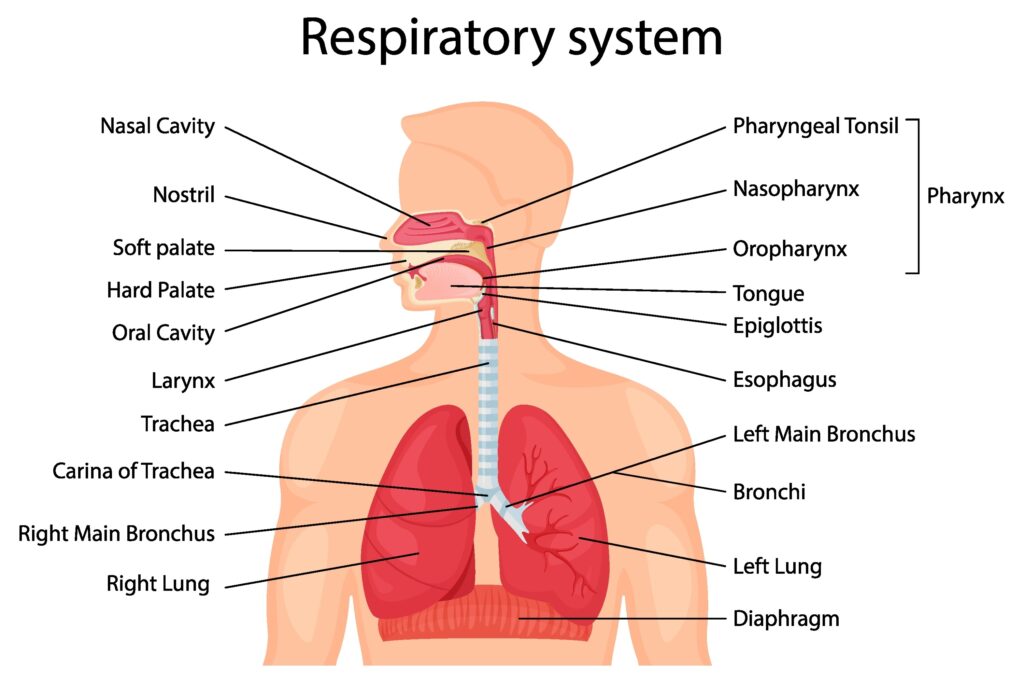
To properly understand what’s happening, we need to clarify a few basic terms. Sputum is a mixture of saliva and mucus that comes from the respiratory tract (your lungs, bronchi, and throat). It’s different from blood coming from your stomach. The technical term for coughing up blood from the lungs or respiratory tract is “hemoptysis.” This usually presents as bright red, frothy blood. On the other hand, vomiting blood from the stomach is called “hematemesis,” and this blood is typically dark red or brown and may contain food particles. Distinguishing between the two is the first step a medical professional will take, and it’s an important one.
The presence of even a small amount of blood in sputum is a symptom that deserves attention. You might see a faint pink tinge, a small streak of red, or even a larger amount of blood in phlegm. The amount and frequency are key factors in determining the potential severity of the underlying issue. A one-time occurrence of blood in mucus from throat after a severe coughing fit is very different from seeing blood in sputum every morning.
Don’t wait. Find the cause of your symptoms now. Get peace of mind. Schedule your consultation with Dr. Shubhi Tyagi today.
Common and Less Alarming Reasons for Blood in Sputum
Let’s start with the most frequent and often benign reasons for blood in sputum. Many of these are related to minor irritations or infections in the upper respiratory tract. If you’ve ever had a severe cold or flu, you may have experienced a small amount of blood in phlegm from throat from time to time. This is a common occurrence and often one of the main blood in sputum causes.
1. Prolonged or Forceful Coughing:
This is the most common reason for seeing blood in phlegm. A persistent, severe cough—often associated with conditions like bronchitis, asthma, or a simple respiratory infection can put immense strain on the delicate blood vessels in your airways. The tiny blood vessels in the lining of your throat, trachea, and bronchial tubes can rupture, leading to traces of blood in sputum. If you’ve been coughing uncontrollably, it’s not unusual to notice a little blood in mucus as your body heals. While this is typically not a sign of a serious problem, if the bleeding persists, it should be evaluated.
2. Nosebleeds and Post-Nasal Drip:
Sometimes, the blood in phlegm isn’t coming from your lungs at all. A common cause is a nosebleed, especially a minor one that you may not even notice. Blood can travel down the back of your throat, mixing with mucus and saliva. This is a very frequent cause of blood in phlegm in the morning or when you clear your throat after waking up. Waking up with blood in sputum in morning when clearing throat can be particularly alarming, but it’s often a tell-tale sign of this issue. Nasal irritation from dry air or allergies can also lead to small amounts of blood in mucus from throat.
3. Minor Throat and Gum Irritation:
Vigorous throat clearing, chronic sore throats (pharyngitis), or even tonsillitis can cause tiny abrasions in the throat, which may result in blood in phlegm. Similarly, bleeding gums from gingivitis or vigorous brushing can lead to blood in mucus that you cough up or spit out. In these cases, the blood in phlegm from throat is often minimal and typically resolves once the underlying irritation or infection is gone.
4. Medications and Lifestyle Factors:
Certain medications, particularly blood thinners like aspirin and warfarin, can increase your risk of bleeding. A slight trace of blood in sputum can sometimes be a side effect. Similarly, smoking can cause chronic irritation to your airways, making it easier for small blood vessels to rupture. A smoker may notice blood in phlegm in the morning more frequently.
Common Causes of Blood in Sputum
| Cause | Severity | Main Symptom |
| Bronchitis | Mild | Persistent cough |
| Pneumonia | Moderate | Fever and chest pain |
| Tuberculosis (TB) | Serious | Weight loss and night sweats |
| Lung Cancer | Serious | Persistent cough and blood in sputum |
| Pulmonary Embolism | Emergency | Sudden shortness of breath |
| Bronchiectasis | Moderate | Chronic cough with mucus |
| COPD | Chronic | Breathlessness and wheezing |
| Lung Abscess | Serious | Fever with foul-smelling sputum |
Serious Causes: When to Be Concerned
While many of the reasons for blood in sputum are minor, there are more serious conditions that require immediate medical attention. It’s crucial not to panic, but to use this information to understand why a professional diagnosis is so important. These are some of the most concerning blood in sputum causes.
1. Severe Respiratory Infections:
- Pneumonia: A lung infection that can cause inflammation and fluid buildup in the air sacs. It’s often accompanied by a cough that can produce rust-colored or bloody blood in sputum.
- Tuberculosis (TB): A bacterial infection that primarily affects the lungs. Chronic coughing and the presence of blood in mucus are hallmark symptoms of advanced TB.
- Fungal Infections: Fungal infections of the lungs can also cause significant inflammation and result in blood in phlegm.
2. Chronic Lung Conditions:
- Chronic Obstructive Pulmonary Disease (COPD): This group of progressive lung diseases, which includes emphysema and chronic bronchitis, can lead to chronic coughing and, in some cases, small amounts of blood in sputum. The chronic inflammation makes the airways more fragile.
- Cystic Fibrosis: A genetic disorder that causes thick, sticky mucus to build up in the lungs, which can lead to frequent infections and damage to the airways. This damage can cause the person to cough up blood in phlegm.
3. Pulmonary Embolism:
This is a life-threatening condition where a blood clot travels to the lungs and blocks a pulmonary artery. One of the classic symptoms of a pulmonary embolism is a sudden onset of chest pain, shortness of breath, and blood in sputum. This requires immediate emergency medical care.
4. Cancer:
This is one of the most feared reasons for blood in sputum. The presence of blood in sputum can be an early warning sign of lung, throat, or laryngeal cancer. These cancers can cause damage and bleeding in the respiratory tract. While cancer is a serious possibility, it’s important to remember that it is a much less common cause than simple respiratory infections or irritation. However, if you are a smoker or have a history of cancer, and notice persistent or increasing amounts of blood in phlegm, it’s essential to get checked without delay.
5. Other Medical Conditions:
- Pulmonary Edema: A condition where excess fluid in the lungs can cause shortness of breath and a frothy, pink-tinged blood in mucus.
- Heart Conditions: In rare cases, certain heart conditions can put pressure on the lungs, leading to bleeding.
- Drug Use: Inhaling certain illicit drugs, particularly cocaine, can cause severe irritation and damage to the lungs, resulting in blood in phlegm.
The Diagnostic Process: Finding the Right Answers
If you’ve noticed blood in sputum—whether it’s a small trace or a larger amount—the next step is to get a professional diagnosis. An ENT (Ear, Nose, and Throat) specialist is the ideal doctor to help you. Dr. Shubhi Tyagi follows a comprehensive diagnostic process to determine the exact blood in sputum causes and provide the right course of treatment.
1. Patient History and Physical Exam:
The first step is a thorough conversation about your symptoms. We will ask about the amount and color of the blood, how often you see it, and any other symptoms you may have, such as fever, chest pain, or weight loss. We will also perform a physical exam of your nose, throat, and chest.
2. Diagnostic Tools:
- Blood Tests: To check for signs of infection or clotting issues.
- Chest X-ray or CT Scan: These imaging tests are crucial for examining your lungs and identifying any signs of infection, tumors, or other abnormalities.
- Bronchoscopy: In some cases, a small, flexible tube with a camera (bronchoscope) may be inserted down your throat and into your lungs to visually inspect the airways and identify the source of the bleeding.
- Endoscopy: To check for potential sources of blood in your throat or stomach that may be contributing to blood in mucus from throat.
If you’re looking for an expert and compassionate ENT doctor in Greater Noida or an experienced ENT Specialist in Noida, a clinic like ours is your best option. We are committed to providing the kind of care that has earned us a reputation as the Best ENT Doctor in Noida.
How Doctors Identify the Source of Bleeding
Since blood in the sputum may arise from the lungs, nose, throat, or intestine it is important to locate the- source.
They will typically start by taking a thorough medical history, including information about smoking habits, recent infections, current medications, travel history, tuberculosis exposure and previous lung diseases.
Depending on the results, other investigations could be:
- Pulse oximetry
- Complete blood count (CBC)
- Coagulation profile
- Sputum culture
- Tuberculosis testing
- CT pulmonary angiography
- Bronchoscopy
- Pulmonary function tests
These investigations when used in combination allow the evaluation for both common and rare causes of hemoptysis.
Lifestyle Changes That Reduce the Risk
While not all causes of blood in sputum can be prevented, making healthy living choices can help decrease the risk for most diseases affecting the respiratory system.
Consider these preventive measures:
- Quit smoking completely.
- Avoid secondhand smoke.
- Stay hydrated.
- Treat respiratory infections promptly.
- Receive recommended vaccinations.
- Use of respiratory protective masks is recommended in dusty conditions.
- Manage chronic lung diseases regularly.
If you can, stay away from air pollution as much as possible. If you are taking blood thinners, pay attention to your doctor’s instructions.
However, keeping your lungs free of conditions and ensuring they are as healthy as possible will greatly help in avoiding coughs that draw blood.
Treatment and Prevention
As treatment is entirely based on the etiology, it cannot be recommended to either self-diagnose or self-treat.
- Dryness or irritation: Resolving these is easily achieved by increasing hydration, adding humidity to the air, and avoiding smoke or irritant exposures. Often, these will resolve in days.
- Infections: Require the appropriate supportive care, as well as either antiviral medications for throat infections, or antibiotics for bronchitis and pneumonia.
- Tuberculosis: Requires an early, and aimed, course of anti-TB medications that need to be closely supervised to ensure that patients remain on treatment.
- Chronic Conditions: Such as bronchiectasis or chronic sinus issues often require long-term management, and may need to be referred to a specialist.
- Emergency causes functional pulmonary embolism, leaving extreme bleeding: Need to attend a hospital for treatment right away.
Prevention Tips
- Get persistent throat or chest symptoms checked so they don’t remain issues.
- Teach the importance of hydration to keep the airway moist.
- Use a humidifier in dry weather, or air-conditioned rooms.
- Avoid smoke and also be considerate of passive smokers.
- Treat more promptly colds, sinus infections, and coughs so they don’t remain issues.
When to See an ENT
If blood in your sputum keeps returning, occurs without an obvious reason, or is accompanied by persistent nasal or throat symptoms, consider an ENT evaluation. An ENT Specialist in Greater Noida, such as Dr. Shubhi Tyagi, can examine the nose, throat, and upper airway to help determine where the blood may be coming from.
If you are coughing up a significant amount of blood, have difficulty breathing, chest pain, severe dizziness, or rapidly worsening symptoms, seek urgent medical attention rather than waiting for a routine ENT appointment.
Conclusion: Don’t Panic, But Don’t Wait
Seeing blood in phlegm is a symptom that demands attention. While the cause is often minor, the possibility of a serious underlying condition means you should never ignore it. Whether it’s a small amount of blood in mucus or a larger amount of blood in sputum, taking the time to get a professional diagnosis is the best way to protect your health and find peace of mind.
At Dr. Shubhi Tyagi’s clinic, we are dedicated to providing clear answers, accurate diagnoses, and effective treatments. Don’t let fear keep you from getting the care you deserve. For a thorough and compassionate evaluation, contact the ENT Clinic in Greater Noida today.
Ready to find the answers you need and get peace of mind? Schedule your consultation with Dr. Shubhi Tyagi now and take the first step toward a healthier you.
FAQs About Blood in Sputum
Q1: Why do I have blood in sputum in the morning when clearing my throat?
Blood in sputum in the morning may result from a dry throat, post-nasal drip, minor nosebleed, allergies, sinus irritation, or forceful throat clearing. If it keeps happening, consult Dr. Shubhi Tyagi for an appropriate evaluation.
Q2: Can post-nasal drip cause blood in sputum?
Yes. Post-nasal drip can irritate the throat, and frequent throat clearing may cause small blood streaks in mucus or phlegm. Persistent throat irritation may also be associated with a lump in throat feeling.
Q3: Can sinusitis cause blood in sputum?
Sinusitis can cause nasal and throat irritation, thick mucus, and post-nasal drip. This irritation may sometimes contribute to small amounts of blood in mucus. If symptoms continue, an ENT evaluation with Dr. Shubhi Tyagi can help identify the possible source.
Q4: Is blood in sputum serious?
A small blood streak can have a minor cause, but recurring blood in sputum should not be ignored. Seek prompt medical attention if bleeding increases or occurs with breathing difficulty, chest pain, or severe dizziness.
Q5: Why do I see blood in my phlegm but I am not coughing?
Blood may come from the nose, mouth, or throat rather than the lungs. Nasal dryness, nosebleeds, post-nasal drip, or throat irritation can cause blood to appear when clearing the throat. Persistent throat symptoms may also warrant an ENT assessment.
Q6: When should I see an ENT for blood in sputum?
Consider seeing Dr. Shubhi Tyagi, an ENT specialist in Greater Noida, if blood keeps appearing when clearing your throat or you have persistent nasal, sinus, or throat symptoms. An ENT examination can help identify the source.
Q7: Can chronic coughing cause blood in mucus?
Yes. Frequent or forceful coughing can irritate the throat and airways and may cause small blood streaks. If you have a cough that continues for weeks, read more about chronic cough and consider an appropriate medical evaluation.
Q8: When is blood in sputum an emergency?
Seek urgent medical attention if you cough up a significant amount of blood or have difficulty breathing, chest pain, severe dizziness, fainting, or rapidly worsening symptoms. For urgent ENT-related concerns, you can also learn about ENT emergency services in Knowledge Park.
Reasons for Spitting Blood: How to Read the Warning Signs
Not every instance of blood in sputum carries the same level of urgency and knowing how to read the difference can save you from unnecessary panic on one end, or dangerous delay on the other.
The amount, color, frequency, and accompanying symptoms are the four factors that matter most when evaluating reasons for spitting blood. Learning to assess these at home before you even speak to a doctor puts you in a far better position to describe your symptoms accurately and get a faster, more precise diagnosis.
Color Tells You a Great Deal
Bright red, frothy blood almost always originates from the lungs or airways this is true hemoptysis and warrants prompt medical attention. Dark red or brown blood mixed with food particles, on the other hand, typically points to a gastrointestinal source such as the stomach or esophagus, and is classified separately as hematemesis.
A faint pink tinge or light red streak in your blood in phlegm from the throat is the most commonly encountered presentation and in many cases, it traces back to a minor nosebleed that drained silently down the back of the throat overnight, or to small capillary ruptures caused by forceful coughing. While often benign, even this should be evaluated if it recurs.
When the Frequency Pattern Changes
A single episode of blood in sputum following a severe coughing fit is very different from noticing it repeatedly across several mornings. Recurring blood in phlegm from the throat particularly when it appears without an obvious trigger like a recent cold or coughing bout — is one of the clearest clinical signals that something deeper requires investigation.
Accompanying Symptoms Are Red Flags
The following symptoms, when they appear alongside reasons for spitting blood, should prompt you to seek specialist care without delay:
- Unexplained weight loss or persistent fatigue
- Fever lasting more than a week
- Night sweats occur regularly
- Chest tightness or breathlessness during everyday activity
- A hoarse voice that has persisted for more than two to three weeks
Any one of these, in combination with blood in phlegm from the throat, moves your presentation from “monitor at home” to “see a specialist today.” Conditions like tuberculosis, chronic bronchitis, laryngeal involvement, and, in rarer cases, malignancy, can all begin with exactly this combination of symptoms — and all are significantly more treatable when caught early.