
Have you noticed small bumps at the back of your throat while looking in the mirror? Do you frequently experience throat irritation, excessive mucus, a scratchy sensation or the constant urge to clear your throat? These symptoms may be associated with a condition commonly known as cobblestone throat.
Seeing unusual bumps inside the throat can be worrying, especially when they appear suddenly or remain visible for several days. However, these bumps are often associated with inflammation and irritation caused by allergies, postnasal drip, sinus infections or respiratory infections. In most cases, the condition is not serious and improves when the underlying cause is properly treated.
Understanding the symptoms, possible triggers and available treatment options can help you make informed decisions about your throat health.
In this detailed guide, Dr. Shubhi Tyagi explains what cobblestone throat means, why it develops, how it can be diagnosed, and when you should consult an ENT specialist.
What Is Cobblestone Throat?
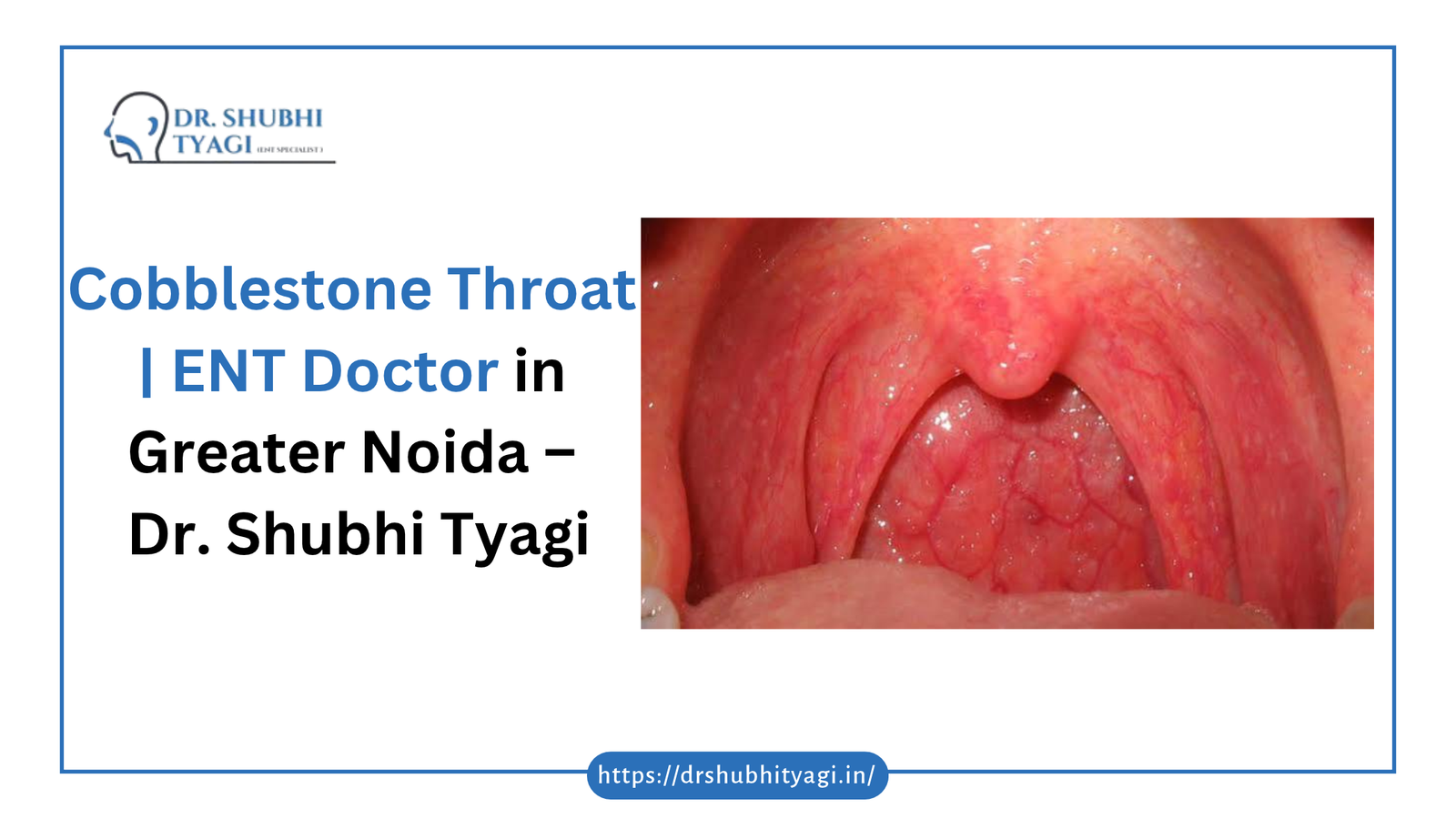
Cobblestone throat is a condition in which the back wall of the throat develops multiple small, raised bumps that resemble the surface of a cobblestone road. These bumps generally appear because of inflammation and enlargement of lymphoid tissue in the throat.
The medical appearance is often associated with irritation caused by excess mucus, allergies or infections. When mucus repeatedly travels down the back of the nose into the throat, a process known as postnasal drip, it can irritate the surrounding tissues.
The immune system responds to this irritation, making the lymphatic tissue more noticeable and creating a bumpy appearance.
People experiencing this condition may also complain of throat discomfort, coughing, mucus accumulation, hoarseness and difficulty swallowing.
Although the appearance can be alarming, cobblestone throat is generally a symptom rather than a separate disease. Identifying and treating the underlying cause is the most important step towards recovery.
Consult Dr. Shubhi Tyagi for expert ENT care to identify the cause of cobblestone throat and get appropriate treatment.
What Does Cobblestone Throat Look Like?
The most noticeable feature is the presence of multiple small, rounded bumps on the posterior wall of the throat.
These bumps may appear:
- Pink or reddish in colour.
- Slightly swollen or raised.
- Arranged in a clustered pattern.
- More noticeable during periods of throat irritation.
- Accompanied by redness or excess mucus.
Some people may notice small white bumps at the back of the throat, but not every white spot represents the same condition.
For example, tonsil stones, tonsillitis, oral infections and other throat conditions can also produce visible spots or patches. Therefore, visual examination alone may not be sufficient to identify the exact problem.
If you notice persistent changes in your throat, an ENT consultation can help establish the correct diagnosis.
Common Cobblestone Throat Causes
Understanding the cobblestone throat causes is important because treatment depends on what is triggering the inflammation.
The following are some of the most common contributing factors.
1. Postnasal Drip
Postnasal drip is one of the most common reasons for irritation at the back of the throat.
It occurs when excess mucus produced in the nose or sinuses travels down the back of the throat. Continuous mucus drainage can irritate the throat lining and make the lymphoid tissue appear swollen.
People with postnasal drip may experience frequent swallowing, coughing, throat clearing and a sensation of mucus being stuck in the throat.
2. Seasonal Allergies
Allergies caused by dust, pollen, pollution, pet dander and other environmental triggers can increase mucus production.
When the body reacts to allergens, the nasal passages become inflamed and produce excess mucus. This mucus can reach the throat and cause irritation.
Allergy-related symptoms may include sneezing, a runny nose, nasal congestion, watery eyes and an itchy throat.
3. Sinus Infection
Sinusitis occurs when the tissues lining the sinuses become inflamed. It can cause mucus accumulation, nasal blockage, facial pressure and postnasal drainage.
When infected or excessive mucus repeatedly reaches the throat, it can contribute to persistent irritation and visible bumps.
People with recurring sinus problems may benefit from an ENT evaluation to identify the underlying reason.
4. Viral and Bacterial Infections
Common colds, influenza and other respiratory infections can cause inflammation of the throat.
Viral infections are responsible for most sore throats, while bacterial infections such as streptococcal throat infections may occur in some individuals.
Symptoms can include fever, throat pain, difficulty swallowing, swollen tonsils and cough.
Antibiotics are not useful for viral infections and should only be taken when medically indicated.
5. Acid Reflux or GERD
Gastroesophageal reflux disease (GERD) occurs when stomach contents move backwards into the food pipe.
In some people, reflux can reach the upper throat and cause irritation. This may contribute to a sensation of something stuck in the throat, frequent throat clearing, coughing and hoarseness.
Some individuals experience throat symptoms without noticeable heartburn.
6. Dry Air and Environmental Irritants
Dry weather, air conditioning, dust, pollution, cigarette smoke and vaping can irritate the throat.
Regular exposure to these irritants may worsen dryness, coughing and mucus-related discomfort.
7. Smoking and Vaping
Tobacco smoke and vaping aerosols can irritate the respiratory tract and affect the natural protective lining of the throat.
Avoiding these substances is an important step in maintaining better throat health.
Symptoms Associated With Cobblestone Throat
The symptoms can differ depending on the underlying cause, but common complaints include:
- Small bumps at the back of the throat.
- Persistent throat irritation.
- Frequent coughing.
- Excess mucus accumulation.
- A scratchy or tickling sensation.
- Difficulty swallowing due to irritation.
- Hoarseness or voice changes.
- Bad breath.
- Nasal congestion.
- A sensation of something stuck in the throat.
Some people also report that their throat feels itchy, particularly when allergies are responsible.
Symptoms may become more noticeable in the morning because mucus can accumulate during sleep.
If the symptoms continue for several weeks, become painful or repeatedly return, it is advisable to seek professional evaluation.
Small White Bumps Back of Throat: What Do They Mean?
Noticing small white bumps back of throat can cause concern, but several conditions may produce similar-looking changes.
Possible explanations include:
- Cobblestoning: Inflamed lymphoid tissue may appear as multiple raised bumps.
- Tonsil stones: Small deposits of debris and bacteria can collect inside tonsil pockets.
- Tonsillitis: Inflammation of the tonsils may produce redness, swelling and white patches.
- Strep throat: A bacterial infection can cause inflamed tonsils and sometimes white exudates.
- Oral thrush: A fungal infection may produce white patches inside the mouth and throat.
A small white dot back of throat does not automatically indicate a serious infection.
However, if the spot is persistent, painful, bleeding or associated with fever or difficulty swallowing, an ENT examination is recommended. Avoid scraping or attempting to remove the bumps yourself.
Cobblestone Throat vs Cancer: Should You Be Worried?
One of the most frequently searched concerns is cobblestone throat vs cancer.
The good news is that typical cobblestoning is generally associated with benign inflammatory changes and is not considered a characteristic sign of throat cancer.
There are important differences to understand.
| Feature | Typical cobblestoning | Potential warning signs of cancer |
| Appearance | Multiple small, similar-looking bumps | Persistent ulcer, unusual patch or lump |
| Common association | Allergies, mucus and infections | Several possible risk factors |
| Symptoms | Throat irritation and mucus | Persistent pain, swallowing difficulty or voice changes |
| Duration | Often improves when irritation resolves | May persist or progressively worsen |
| Evaluation | ENT examination if persistent | Prompt medical assessment is important |
Warning signs that require medical attention include:
- A persistent sore or ulcer that does not heal.
- A lump in the neck.
- Unexplained bleeding.
- Progressive difficulty swallowing.
- Persistent hoarseness.
- Unexplained weight loss.
- Persistent one-sided throat or ear pain.
These symptoms do not necessarily mean cancer, but they should not be ignored.
If you are worried about an unusual throat appearance, consult an ENT specialist rather than trying to diagnose the condition using photographs or online information.
Cobblestone Throat Treatment: What Are the Available Options?
Effective cobblestone throat treatment focuses on identifying and managing the underlying cause instead of simply trying to remove the visible bumps.
Treatment may vary depending on whether allergies, sinusitis, infection, reflux or environmental irritation is responsible.
1. Treating Allergies
If allergies are responsible, a doctor may recommend suitable antihistamines or nasal corticosteroid sprays.
Identifying and reducing exposure to allergens can also help control symptoms.
2. Managing Postnasal Drip
Treatment may include saline nasal sprays, nasal irrigation using sterile or appropriately prepared water, and medicines recommended by a healthcare professional.
Managing the source of excess mucus can reduce repeated throat irritation.
3. Treating Sinus Infections
An ENT specialist may recommend medical treatment depending on the severity and duration of sinus symptoms.
Not every sinus infection requires antibiotics. Treatment should be based on clinical assessment.
4. Managing Acid Reflux
If reflux is contributing to throat irritation, lifestyle modifications may help.
These include:
- Avoiding heavy meals close to bedtime.
- Eating smaller meals.
- Identifying foods that trigger reflux.
- Avoiding lying down immediately after eating.
- Maintaining a healthy weight.
- Following prescribed reflux treatment.
5. Treating Bacterial Infections
If testing or clinical assessment confirms a bacterial infection that requires antibiotics, the doctor may prescribe an appropriate course.
Do not use leftover antibiotics or take them without medical advice.
6. Staying Hydrated
Drinking adequate water helps maintain moisture in the throat and may make thick mucus easier to clear.
Warm fluids may also provide temporary comfort.
7. Reducing Environmental Irritation
Avoid smoke, dust and other irritants whenever possible.
Keeping indoor air comfortably humidified may help people who experience throat dryness.
Home Remedies to Relieve Throat Irritation
Mild symptoms may improve with simple supportive measures while the underlying condition settles.
Here are some useful options:
Warm salt-water gargles: Gargling with warm salt water may soothe throat irritation. Avoid swallowing the solution.
Warm fluids: Drinking warm water, soups or other suitable fluids can help keep the throat comfortable.
Honey: Honey may provide temporary relief from coughing and throat irritation. It should never be given to children under one year of age.
Saline nasal spray: Saline sprays may help manage nasal dryness and mucus accumulation.
Humidified air: A clean humidifier may help reduce irritation caused by dry indoor air.
Adequate rest: Rest supports recovery during respiratory infections.
If you are wondering how to remove kapha from throat, remember that persistent mucus may be associated with allergies, sinusitis, reflux or respiratory infections. The better approach is to identify and treat the underlying reason rather than repeatedly trying to force mucus out.
Avoid putting fingers, cotton buds or sharp objects into the throat to remove visible bumps.
Why Does Mucus Keep Accumulating in the Throat?
There can be several mucus in throat reasons, including:
- Allergic rhinitis.
- Chronic sinusitis.
- Postnasal drip.
- Respiratory infections.
- Acid reflux.
- Smoking and environmental pollution.
- Dry indoor air.
Mucus is a natural protective substance that traps dust, germs and other particles. However, excessive production or poor drainage can cause discomfort.
People experiencing repeated mucus accumulation may feel the need for continuous clearing throat, especially after waking up or eating.
If mucus is persistent, unusually coloured, blood-stained or accompanied by other concerning symptoms, medical assessment is important.
When Should You See an ENT Doctor?
Occasional throat irritation may settle with supportive care, but persistent or recurring symptoms should be evaluated.
Consider consulting an ENT specialist if:
- The bumps do not improve within one to two weeks.
- Throat irritation repeatedly returns.
- You experience significant pain while swallowing.
- You have recurrent sinus or allergy symptoms.
- You experience persistent hoarseness.
- You notice unexplained white or red patches.
- You have a lump in the neck.
- You experience blood in saliva or mucus.
Seek urgent medical attention if you have difficulty breathing, cannot swallow fluids or saliva, or experience rapidly worsening throat swelling.
Early evaluation can help identify the cause and prevent unnecessary medication or delayed treatment.
Consult Dr. Shubhi Tyagi, ENT Specialist in Greater Noida, for expert evaluation and timely treatment. Book your appointment today!
How Is Cobblestone Throat Diagnosed?
An ENT specialist generally begins with a detailed discussion of your symptoms and medical history.
The evaluation may include:
1. Physical examination: The doctor examines the mouth, tonsils and back of the throat to assess inflammation, mucus and visible changes.
2. Nasal examination: Nasal congestion, allergies and sinus-related problems may be evaluated.
3. Infection testing: A throat swab or other appropriate investigation may be recommended if a bacterial infection is suspected.
4. Reflux assessment: Symptoms and medical history may help identify possible acid reflux.
5. Additional investigations: If symptoms persist or the examination reveals an unusual finding, further evaluation, such as a flexible nasoendoscopy, may be recommended.
The choice of investigation depends on the patient’s symptoms and clinical findings.
Can Cobblestone Throat Be Prevented?
Although not every case can be prevented, certain habits may reduce the risk of repeated throat irritation.
- Drink enough water throughout the day.
- Maintain good nasal hygiene.
- Manage seasonal allergies.
- Avoid tobacco and vaping.
- Reduce exposure to dust and pollution.
- Wash your hands regularly.
- Maintain good oral hygiene.
- Avoid foods that trigger reflux.
- Get adequate sleep.
- Seek medical attention for recurring sinus and throat problems.
People with frequent throat irritation should not rely entirely on home remedies. Identifying the underlying cause is essential for long-term relief.
Consult Dr. Shubhi Tyagi for Expert ENT Care in Noida and Greater Noida
Persistent throat irritation, recurring infections, mucus accumulation and unusual bumps at the back of the throat should not be ignored. Consulting an experienced specialist can help identify the underlying cause and ensure appropriate treatment.
If you are searching for an ENT Doctor In Greater Noida, Dr. Shubhi Tyagi provides consultation for various ear, nose and throat conditions. Patients looking for the Best ENT Doctor in Noida can explore her qualifications, clinical experience and available consultation facilities.
Whether you need an ENT Specialist in Greater Noida for recurring throat infections or an ENT Doctor in Greater Noida for persistent throat irritation, a detailed clinical evaluation can help determine the right treatment approach.
Dr. Shubhi Tyagi focuses on personalised ENT Care in Noida and Greater Noida, helping patients manage throat infections, sinus conditions, tonsil problems, voice concerns and other ENT-related issues. Patients can also explore consultation facilities at the ENT Clinic Greater Noida.
ENT Consultation Locations in Greater Noida
Patients searching for an ENT Doctor in Pari Chowk can explore nearby consultation options. Similarly, individuals looking for an ENT Specialist in Beta 1, Greater Noida can check the available clinic locations and appointment details.
Dr. Shubhi Tyagi also offers consultation for different ENT concerns, with related healthcare services such as Audiology And Speech Therapy available for patients who require additional assessment and support.
If you are looking for an ENT Doctor Near Knowledge Park, you can explore the consultation facility at Sharda Care Health City, Knowledge Park III, Greater Noida. Patients searching for a Hearing Specialist in Gamma 3 can also enquire about suitable consultation services.
Why Choose Dr. Shubhi Tyagi?
Choosing the right specialist is important when throat symptoms persist or repeatedly return. Patients looking for the Best ENT Doctor in Noida can consider Dr. Shubhi Tyagi for professional evaluation and personalised treatment guidance.
An experienced ENT Specialist in Noida can help investigate recurring throat irritation, postnasal drip, sinus problems and other related conditions.
For patients seeking an ENT Doctor In Greater Noida, consultation can help identify whether allergies, infections or acid reflux are contributing to throat symptoms.
Conclusion
Noticing unusual bumps at the back of your throat can be concerning, but these changes are frequently related to inflammation, allergies, postnasal drip or respiratory infections.
Understanding the symptoms, avoiding irritants and addressing the underlying cause can help improve throat health.
Although most cases are not serious, persistent symptoms, unusual patches, swallowing difficulties or unexplained lumps should be examined by an ENT specialist.
If you are experiencing recurring throat irritation or visible changes, consider consulting Dr. Shubhi Tyagi for an appropriate ENT evaluation in Greater Noida.
Frequently Asked Questions (FAQs)
Q1. What is cobblestone throat and is it dangerous?
Cobblestone throat is a condition in which small, raised bumps appear on the back wall of the throat due to inflammation and enlarged lymphoid tissue. It is commonly associated with allergies, postnasal drip and respiratory infections. In most cases, it is harmless, but persistent symptoms should be examined by an ENT specialist.
Q2. What are the common causes of cobblestone throat?
Common causes include postnasal drip, seasonal allergies, sinus infections, viral infections, acid reflux, smoking and environmental pollution. Identifying the underlying cause is important for effective treatment.
Q3. How long does cobblestone throat take to disappear?
The appearance may improve within one to two weeks when caused by a temporary cold or respiratory infection. Allergy-related irritation or reflux may last longer if the underlying trigger remains untreated.
Q4. Can cobblestone throat be a sign of cancer?
Typical cobblestoning is generally a benign inflammatory change and is not a characteristic sign of throat cancer. However, persistent ulcers, unusual patches, neck lumps, bleeding or progressive swallowing difficulties require medical evaluation.
Q5. How can I treat cobblestone throat at home?
Supportive measures include drinking sufficient water, warm salt-water gargles, avoiding smoke, using saline nasal sprays when appropriate and managing environmental allergies. These measures may relieve discomfort but do not replace medical treatment when necessary.
Q6. Which doctor should I consult for cobblestone throat in Greater Noida?
You should consult an ENT specialist for persistent throat bumps, mucus accumulation or recurring throat irritation. Dr. Shubhi Tyagi provides ENT consultation in Greater Noida and can evaluate throat-related symptoms and recommend appropriate treatment.
Q7. Can allergies cause cobblestone throat without a sore throat?
Yes. Allergies can cause excess mucus, postnasal drip and throat irritation without significant pain. Some people mainly experience an itchy sensation, coughing or frequent throat clearing.
Q8. Which doctor should I consult for cobblestone throat?
You can explore consultation options with Dr. Shubhi Tyagi at Sharda Care Health City, Knowledge Park III, and Radiant Health Care, Greater Noida.